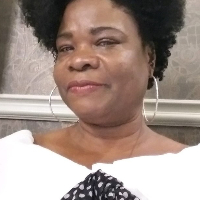
Marie Pierre-Canel
LMHC· Accepting clientsFlorida · 8 yrs exp
Stress, Anxiety · Relationship · Family · Coping with life changes · +9 more
Read profileThe therapist listings are provided by BetterHelp and we will earn a commission if you use our link - at no cost to you.
Therapy in your native language can make it easier to describe feelings, memories and cultural context. Below you can browse profiles of therapists who speak French and review their approaches and areas of focus.
Florida · 8 yrs exp
Stress, Anxiety · Relationship · Family · Coping with life changes · +9 more
Read profile
Ohio · 19 yrs exp
Stress, Anxiety · Addictions · Family · Depression · +15 more
Read profile
Virginia · 13 yrs exp
Stress, Anxiety · Relationship · Trauma and abuse · Intimacy-related issues · +11 more
Read profile
Georgia · 6 yrs exp
Stress, Anxiety · Relationship · Family · Grief · +4 more
Read profile
Florida · 18 yrs exp
Stress, Anxiety · Relationship · Trauma and abuse · Self esteem · +12 more
Read profile
Maine · 24 yrs exp
Stress, Anxiety · Relationship · Trauma and abuse · Self esteem · +16 more
Read profile
California · 10 yrs exp
Stress, Anxiety · Relationship · Parenting · Depression · +7 more
Read profile
Illinois · 3 yrs exp
Stress, Anxiety · Addictions · Grief · Self esteem · +8 more
Read profile
Florida · 19 yrs exp
Stress, Anxiety · Family · Trauma and abuse · Parenting · +13 more
Read profile
Massachusetts · 33 yrs exp
Stress, Anxiety · Addictions · Relationship · Family · +11 more
Read profile
Texas · 33 yrs exp
Stress, Anxiety · Relationship · Trauma and abuse · Anger · +4 more
Read profile
Florida · 12 yrs exp
Stress, Anxiety · Addictions · Trauma and abuse · Grief · +13 more
Read profile
Florida · 12 yrs exp
Stress, Anxiety · Relationship · Anger · Self esteem · +12 more
Read profile
Massachusetts · 4 yrs exp
Stress, Anxiety · Addictions · Trauma and abuse · Depression · +7 more
Read profile
Idaho · 10 yrs exp
Stress, Anxiety · Relationship · Parenting · Self esteem · +15 more
Read profile
Florida · 25 yrs exp
Stress, Anxiety · Grief · Parenting · Depression · +9 more
Read profile
Colorado · 25 yrs exp
Stress, Anxiety · Relationship · Intimacy-related issues · Self esteem · +10 more
Read profile
Missouri · 27 yrs exp
Stress, Anxiety · Grief · Self esteem · Depression · +15 more
Read profile
Alaska · 13 yrs exp
Stress, Anxiety · Addictions · Trauma and abuse · Depression · +9 more
Read profile
Florida · 8 yrs exp
Stress, Anxiety · Relationship · Family · Parenting · +1 more
Read profile
Florida · 16 yrs exp
Stress, Anxiety · Addictions · Relationship · Trauma and abuse · +1 more
Read profile
Tennessee · 7 yrs exp
Stress, Anxiety · Trauma and abuse · Bipolar · Depression · +15 more
Read profile
Maryland · 5 yrs exp
Stress, Anxiety · Trauma and abuse · Grief · Depression · +1 more
Read profile
New Jersey · 11 yrs exp
Stress, Anxiety · Relationship · Family · Self esteem · +5 more
Read profileWhen you enter therapy, the language you use shapes how you tell your story. Using French can let you access the exact words, idioms and emotional nuances you learned growing up, and that matters because subtle differences in phrasing carry strong emotional weight. You may find it easier to name sensations, recall memories or describe family dynamics when you are speaking the language that feels most natural to you. This is not only about vocabulary. It is about the rhythms of thought and the cultural frames that inform how you understand relationships, stress and identity. Choosing a therapist who can work with you in French can reduce the distance between what you want to share and how it comes out, which often makes sessions feel more generative and easier to build rapport.
Speaking in the same language as your therapist also helps avoid misunderstandings that can occur when translating complex feelings. Some concepts, metaphors or humor do not translate cleanly, and a French-speaking therapist is more likely to understand the cultural references that shape how you make sense of your experience. That cultural fluency can reduce friction in the relationship and allow the therapeutic work to focus more on your concerns and less on decoding language differences.
Language barriers can do more than slow a conversation. If you must translate your experience in your head before speaking, emotional immediacy can be lost and important details can be softened. You might find yourself relying on generic terms or clinical phrases that feel distant from your lived experience. That distance can make it harder to access the emotional nuance that often becomes the focus of therapeutic exploration. In some cases, people switch languages depending on topic - using one language for daily tasks and another for intimate memories - and that switching can influence what emerges in session.
If you use a language you are still mastering, you may avoid topics that feel linguistically risky, like shame, sexual history or family conflict. That avoidance changes the course of therapy. Working with a French-speaking therapist reduces the need for translation, allowing you to reach deeper reflections and more authentic expression. It also helps the therapist notice cultural patterns in your language use that might otherwise be missed, such as recurring metaphors or culturally specific values that inform your choices.
Online sessions with a French-speaking therapist typically resemble in-person appointments in tone and structure, but with greater flexibility in location. You can expect a focus on building rapport, clarifying goals and developing strategies that fit your life. Early sessions often include time for the therapist to learn about your background, language preferences and what you hope to address. If you are used to discussing certain topics in French but switch to another language for others, share that with the therapist so they can adapt their approach and encourage the language that supports your expression.
Technology changes some practicalities but not the core of therapeutic work. You might use video for face-to-face conversation or audio if that feels more comfortable. Good online practice prioritizes clear audio, consistent session boundaries and a plan for what to do between meetings. When therapy happens in French, it can be easier to integrate cultural references, literature or idioms into the work, making insights feel immediately relevant to your everyday life. If you have preferences about dialects, regional expressions or the style of French you use, it is helpful to mention that early so that the therapist can meet you where you are linguistically.
Cultural stigma around mental health can be a barrier for many French speakers, depending on country of origin, family background and community expectations. You may worry about how a diagnosis or treatment will be viewed by relatives or how therapy fits with cultural values about resilience, privacy and family roles. These concerns are understandable and often come up in the first phase of work. A therapist who understands cultural context in French can help you explore these worries and find approaches that respect your values while addressing the issues you brought to therapy.
Finding providers who speak French can also feel challenging, especially if you live in an area where few clinicians list that language. Online options widen the field, but you might still wonder about cultural fit, therapeutic style and practical matters like session length and fees. It helps to focus on the aspects of care that matter most to you - whether that is a conversational style, a focus on trauma, family systems or strategies for anxiety and depression - and to look for therapists who describe experience or interest in those areas. Remember that language competence and cultural sensitivity are distinct; some therapists speak French but may not be familiar with specific cultural experiences, while others explicitly note experience with particular francophone communities.
Online therapy expands access to French-speaking clinicians beyond your immediate community and gives you flexibility in scheduling and location. You can connect with someone in a different city or country who shares your dialect or cultural background, which may make it easier to find a clinician whose approach and life experience resonate with you. Online work also allows you to participate from settings where you feel comfortable speaking in French, whether that is at home, at a friend’s place or in another setting that supports openness and reflection.
When choosing a French-speaking therapist, start by clarifying what matters most to you. Consider the therapeutic approaches a clinician lists and whether those approaches match your preferences, but keep in mind that listings reflect self-reported methods rather than formal certifications. Look for therapists who mention work with issues similar to yours and who describe their client focus in language that feels relatable. Pay attention to how they describe their communication style and cultural interests. If you have strong preferences about dialect, regional background or the balance between practical solutions and exploratory conversation, look for clues in profiles that signal a good fit. Finally, think about practical questions like session length, fees and whether you prefer video or audio; these factors shape the experience even when the therapy itself is in French.
Choosing a therapist who speaks your language can make the therapeutic process more immediate and meaningful. By focusing on cultural fit, therapeutic style and communication preferences, you increase the chances of finding a professional relationship that supports your goals and helps you explore what matters most in a language that feels true to you.