
Lucritia (Ann) Sayles
LIMHP· Accepting clientsNebraska · 14 yrs exp
Stress, Anxiety · Grief · Bipolar · Depression · +13 more
Read profileThe therapist listings are provided by BetterHelp and we will earn a commission if you use our link - at no cost to you.
Welcome if you are looking for CBT therapists in Nebraska. All therapists listed are licensed and list Cognitive Behavioral Therapy among their clinical approaches - explore profiles to learn about credentials, specialties, languages, and experience.
Nebraska · 14 yrs exp
Stress, Anxiety · Grief · Bipolar · Depression · +13 more
Read profile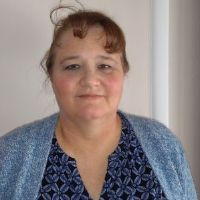
Nebraska · 25 yrs exp
Stress, Anxiety · Family · Trauma and abuse · Parenting · +12 more
Read profile
Nebraska · 10 yrs exp
Stress, Anxiety · Trauma and abuse · Self esteem · Coping with life changes · +10 more
Read profile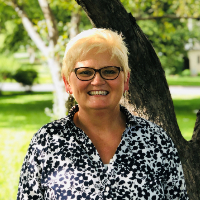
Nebraska · 17 yrs exp
Stress, Anxiety · Family · Trauma and abuse · Depression · +12 more
Read profile
Nebraska · 35 yrs exp
LGBT · Relationship · Family · Intimacy-related issues · +6 more
Read profile
Nebraska · 25 yrs exp
Stress, Anxiety · Trauma and abuse · Anger · Self esteem · +1 more
Read profile
Nebraska · 9 yrs exp
Stress, Anxiety · Relationship · Family · Trauma and abuse · +1 more
Read profile
Nebraska · 27 yrs exp
Stress, Anxiety · Family · Trauma and abuse · Self esteem · +1 more
Read profile
Nebraska · 33 yrs exp
Stress, Anxiety · Trauma and abuse · Self esteem · Depression · +3 more
Read profile
Nebraska · 5 yrs exp
Stress, Anxiety · Addictions · Self esteem · Depression · +1 more
Read profile
Nebraska · 14 yrs exp
Stress, Anxiety · Addictions · Relationship · Trauma and abuse · +15 more
Read profile
Nebraska · 8 yrs exp
Stress, Anxiety · Trauma and abuse · Grief · Self esteem · +8 more
Read profile
Nebraska · 15 yrs exp
Stress, Anxiety · Relationship · Trauma and abuse · Grief · +9 more
Read profile
Nebraska · 23 yrs exp
Stress, Anxiety · Family · Trauma and abuse · Grief · +8 more
Read profile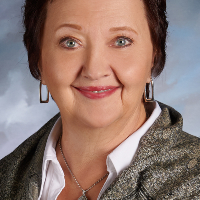
Nebraska · 36 yrs exp
Stress, Anxiety · Family · Grief · Intimacy-related issues · +12 more
Read profile
Nebraska · 16 yrs exp
Stress, Anxiety · Trauma and abuse · Parenting · Depression · +12 more
Read profile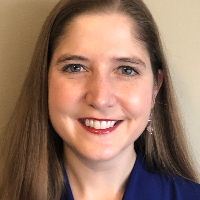
Nebraska · 11 yrs exp
Stress, Anxiety · Relationship · Family · Grief · +13 more
Read profile
Nebraska · 11 yrs exp
Stress, Anxiety · Relationship · Family · Intimacy-related issues · +10 more
Read profile
Nebraska · 15 yrs exp
Stress, Anxiety · Family · Trauma and abuse · Depression · +11 more
Read profile
Nebraska · 19 yrs exp
Stress, Anxiety · Relationship · Anger · Self esteem · +10 more
Read profile
Nebraska · 10 yrs exp
Stress, Anxiety · Relationship · Intimacy-related issues · Self esteem · +13 more
Read profile
Nebraska · 10 yrs exp
Stress, Anxiety · Addictions · Relationship · Family · +14 more
Read profile
Nebraska · 10 yrs exp
Stress, Anxiety · Relationship · Family · Trauma and abuse · +9 more
Read profile
Nebraska · 15 yrs exp
Stress, Anxiety · Self esteem · Bipolar · Depression · +12 more
Read profileIf you are seeking Cognitive Behavioral Therapy in Nebraska, the directory can help you identify clinicians who list CBT among their clinical approaches. When a profile notes CBT, it signals that the clinician uses the core CBT framework in their work - that is, they focus on the relationship between thoughts, feelings, and behavior and use structured techniques to help you change patterns that create distress. Listing an approach does not guarantee a particular credential or level of experience with CBT, so you should ask about specific training, years of practice with CBT, and relevant supervision or coursework.
Nebraska has a mix of clinicians working with CBT in both urban and rural settings, and many offer online sessions that cross county lines. You will see a variety of professional titles among those who list CBT, including licensed professional counselors, clinical social workers, psychologists, and others. Each of these license types has its own scope of practice and regulatory board, so reviewing credentials on a profile and following up with the licensing authority are practical steps you can take as you research your options.
Online CBT can be especially helpful in Nebraska, where travel times between towns or across rural counties can be long. If you live outside a metropolitan area or prefer the convenience of meeting from home, online sessions allow you to work on CBT techniques without a lengthy commute. The structured nature of CBT - with an agreed treatment plan, measurable goals, and homework assignments between sessions - transfers well to a virtual environment, because worksheets, thought records, and exposure exercises can be shared electronically and practiced in your everyday settings.
Beyond convenience, online CBT can let you match with a clinician whose specialties and experience fit your needs, regardless of their physical office location. You can discuss modalities, session structure, and use of digital tools with a clinician before committing to several sessions. Many people find that the mix of face-to-face conversation and practical, skills-based practice makes progress feel tangible when CBT is delivered online. As you explore options, ask how a clinician adapts exercises to an online format and how they help you apply skills between sessions.
Cognitive Behavioral Therapy is commonly applied to a wide range of mental health concerns because it targets the ways thoughts and behaviors influence emotional experience. In Nebraska, clinicians who list CBT among their approaches often work with anxiety disorders, including generalized anxiety, panic disorder, social anxiety, and specific phobias. They also commonly address depressive symptoms by helping you identify unhelpful thinking patterns and build behavioral strategies that increase activity and meaningful engagement.
CBT is frequently used with obsessive-compulsive symptoms, where exposure and response prevention techniques help you gradually reduce compulsive behaviors. Sleep difficulties, such as insomnia, can be treated with CBT-based strategies that adjust sleep-related thoughts and behaviors. Additionally, CBT techniques are applied to stress management, relationship challenges, anger, and habit-related problems like smoking or other repetitive behaviors. If you have a particular concern, look for clinicians who describe experience with that issue and ask about typical treatment approaches, expected time frames, and how progress is tracked.
CBT’s structured approach tends to translate effectively to virtual therapy because its core elements are concrete and skills-focused. Sessions often begin with an agenda, a review of recent practice assignments, and a focused intervention targeting a specific thought or behavior pattern. This predictable rhythm helps you know what to expect and makes it easier to transfer exercises into your daily life. Online platforms support the sharing of worksheets, thought records, and behavioral experiments, which you can complete between meetings and then discuss together.
You should expect clear goal-setting and periodic measurement of progress when working with CBT. Clinicians who list CBT among their approaches usually describe how they set short-term objectives and adjust strategies based on what works. The emphasis on between-session practice means you will likely spend time applying new skills in real-world situations, which helps consolidate learning. If you prefer a structured, skills-based plan with tangible steps and measurable change, ask a clinician how they design session agendas, assign practice, and evaluate outcomes in an online setting.
Verifying a clinician’s license is a practical and important step as you research CBT providers in Nebraska. Start by locating the license type listed on a profile, such as LPC, LCSW, LMHP, or psychologist. Then use Nebraska’s state licensing resources or the appropriate licensing board website to search by name or license number. These state tools let you confirm that a license is active, view the issuance date, and see whether any disciplinary actions are recorded. If you need help finding the right board, contact the state health department or a consumer protection office for guidance.
When you contact a clinician, consider asking focused questions that help you gauge fit. You might ask about their experience working with your specific concern, how they apply CBT in practice, and what a typical course of treatment looks like. It is reasonable to inquire about their educational background, years of clinical experience, and whether they use specific CBT techniques such as exposure methods, cognitive restructuring, or behavioral activation. You can also ask how they handle measurement of progress, what kinds of between-session practice they suggest, and whether they collaborate with other health professionals when needed. Asking for a brief description of expected session frequency and typical length of treatment can help you plan, but remember that availability details are operational and can change over time.
Choosing a CBT clinician often comes down to a mix of clinical fit and personal comfort. Pay attention to how a clinician explains CBT and whether their approach to goal-setting and homework feels compatible with the way you prefer to work. If language, cultural background, or clinical focus matters to you, look for profiles that note those attributes, and raise these topics in your initial conversation. Taking these practical steps - verifying licensure, asking specific questions about CBT experience, and assessing whether their communication style aligns with your needs - will help you make an informed choice as you pursue therapy in Nebraska.
Addictions
7454 therapists
ADHD
6710 therapists
Anger
9280 therapists
Bipolar
6588 therapists
Depression
12848 therapists
Eating Disorders
2892 therapists
Grief
10264 therapists
Guilt and Shame
9012 therapists
Impulsivity
5182 therapists
Isolation / Loneliness
8365 therapists
Mood Disorders
7354 therapists
OCD
3483 therapists
Panic Disorder and Panic Attacks
6347 therapists
Phobias
2452 therapists
Post-Traumatic Stress
7788 therapists
Self Esteem
12540 therapists
Self-Harm
3676 therapists
Social Anxiety and Phobia
8151 therapists
Stress & Anxiety
13722 therapists
Trauma and Abuse
10861 therapists