
Anne Douglas
LMFT· Accepting clientsNorth Carolina · 25 yrs exp
Stress, Anxiety · Relationship · Family · Grief · +15 more
Read profileThe therapist listings are provided by BetterHelp and we will earn a commission if you use our link - at no cost to you.
This directory page highlights therapists who work with body image concerns and who list CBT among their approaches. Below you can browse clinician profiles to see focus areas, credentials, specialties, and languages.
Use the listings to learn more about each clinician and to decide which profiles you want to explore further.
North Carolina · 25 yrs exp
Stress, Anxiety · Relationship · Family · Grief · +15 more
Read profile
Texas · 20 yrs exp
Stress, Anxiety · LGBT · Relationship · Self esteem · +16 more
Read profile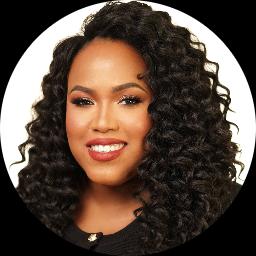
Florida · 16 yrs exp
Stress, Anxiety · Relationship · Trauma and abuse · Depression · +6 more
Read profile
Michigan · 25 yrs exp
Stress, Anxiety · LGBT · Relationship · Grief · +10 more
Read profile
Colorado · 19 yrs exp
Stress, Anxiety · Relationship · Trauma and abuse · Grief · +12 more
Read profile
California · 14 yrs exp
Stress, Anxiety · Relationship · Family · Intimacy-related issues · +9 more
Read profile
Texas · 13 yrs exp
Stress, Anxiety · Relationship · Trauma and abuse · Anger · +11 more
Read profile
North Carolina · 21 yrs exp
Stress, Anxiety · Grief · Eating · Depression · +12 more
Read profile
Florida · 20 yrs exp
Stress, Anxiety · Addictions · Relationship · Self esteem · +16 more
Read profile
Georgia · 10 yrs exp
Stress, Anxiety · Grief · Self esteem · Depression · +10 more
Read profile
Mississippi · 16 yrs exp
Stress, Anxiety · Relationship · Family · Parenting · +6 more
Read profile
Oregon · 26 yrs exp
Stress, Anxiety · Trauma and abuse · Grief · Depression · +10 more
Read profile
Kansas · 12 yrs exp
Stress, Anxiety · Relationship · Intimacy-related issues · Depression · +13 more
Read profile
Pennsylvania · 15 yrs exp
Stress, Anxiety · Addictions · Trauma and abuse · Eating · +13 more
Read profile
Kentucky · 18 yrs exp
LGBT · Relationship · Family · Self esteem · +14 more
Read profile
Louisiana · 7 yrs exp
Stress, Anxiety · Family · Trauma and abuse · Parenting · +15 more
Read profile
New York · 5 yrs exp
Stress, Anxiety · LGBT · Trauma and abuse · Bipolar · +12 more
Read profile
Michigan · 5 yrs exp
Stress, Anxiety · Relationship · Family · Self esteem · +12 more
Read profile
Missouri · 16 yrs exp
Stress, Anxiety · Trauma and abuse · Self esteem · Bipolar · +12 more
Read profile
North Carolina · 10 yrs exp
Stress, Anxiety · Relationship · Family · Bipolar · +16 more
Read profile
Louisiana · 10 yrs exp
Stress, Anxiety · Relationship · Family · Depression · +12 more
Read profile
Texas · 10 yrs exp
Stress, Anxiety · Relationship · Family · Depression · +14 more
Read profile
Ohio · 18 yrs exp
Stress, Anxiety · Trauma and abuse · Grief · Anger · +11 more
Read profile
Ohio · 33 yrs exp
Stress, Anxiety · Family · Trauma and abuse · Self esteem · +12 more
Read profileBody image describes the thoughts, beliefs, and emotions you have about your own body and appearance. It includes how you perceive size, shape, and attractiveness as well as the meaning you attach to those perceptions. For many people body image is shaped by experiences with family, peers, culture, media, and health events. It can change across the lifespan and often fluctuates in response to stress, life transitions, or exposure to idealized images.
When body image is negative it can influence your daily choices and the way you move through the world. You may find yourself avoiding activities you used to enjoy, checking mirrors frequently, or spending a lot of time comparing your appearance to others. Negative body image commonly overlaps with lowered mood, social anxiety, disordered eating patterns, and self-criticism. It is not simply about vanity - it is about how body-related thoughts contribute to feelings and behaviors that can limit your sense of wellbeing.
Understanding body image as a pattern of thoughts, emotions, and behaviors is central to choosing a treatment approach that targets those patterns directly. Cognitive Behavioral Therapy is one such approach, because it explicitly addresses the links between what you think, how you feel, and what you do.
Cognitive Behavioral Therapy works by helping you notice and test the thoughts and assumptions that keep negative body image in place. In CBT you learn to identify automatic thoughts - the quick interpretations that pop up in situations like looking at your reflection, trying on clothes, or seeing photos of yourself. These automatic thoughts often lead to immediate emotional reactions and behavioral responses, such as avoidance or checking. CBT teaches you to examine those thoughts and consider alternative, balanced ways of interpreting the same situation.
Behavioral techniques are paired with cognitive work to change the routines that reinforce negative beliefs. For example, if you find that avoiding social events reduces discomfort in the short term but increases anxiety over time, a CBT plan might include graded behavioral experiments that help you test whether that avoidance is necessary. Those experiments provide data you can use to revise unhelpful beliefs. Over time this combination of cognitive restructuring and behavioral practice reduces the intensity and frequency of negative body-related reactions.
CBT for body image often integrates attention training and exposure exercises to reduce hypervigilance and fear related to appearance. The approach is typically structured and goal-oriented, with a focus on specific patterns that maintain distress. Because CBT targets the cognitive and behavioral mechanisms directly, it helps you build practical skills you can use outside of sessions to manage body image concerns as they arise.
If you choose a therapist who works with CBT for body image, sessions usually follow a clear, collaborative format. Early meetings emphasize assessment and shared goal setting - you and the clinician identify the specific thoughts, feelings, and behaviors that cause the most distress. The therapist will ask about situations that trigger body-related worries and may explore how you currently cope. From that assessment, you and the clinician develop a plan with measurable targets and timelines.
CBT methods commonly used in this context include thought records, behavioral experiments, structured exposures, and homework assignments. Thought records help you track the thought-feeling-behavior chain in real situations, making it easier to spot patterns. Behavioral experiments let you test predictions - for example, guessing how others will react when you wear a different outfit and then observing the outcome. Homework is a core part of the method because change happens when you practice skills between sessions. Homework might involve mirror work practiced in a graded way, social exposures, or keeping a daily log of body-related thoughts.
Sessions are typically collaborative and educational. Your therapist will teach you skills, coach practice during sessions, and help you interpret the results of experiments. Progress is reviewed regularly and plans are adjusted based on what works. Because the work emphasizes practice and measurable change, you should expect concrete exercises and a focus on applying strategies in your everyday life.
Research has examined CBT approaches for a range of body image concerns, including body dissatisfaction, body dysmorphic symptoms, and appearance-related anxiety. Controlled studies generally show that structured CBT protocols can reduce negative body image, decrease appearance-related checking and avoidance, and improve mood and functioning. Trials have compared CBT to wait-list controls and to other active interventions, with many finding that targeting thoughts and behaviors yields meaningful improvements for people struggling with appearance-related distress.
Researchers also emphasize that CBT is adaptable - it can be tailored to address the specific targets most relevant to you, such as perfectionism, comparison behaviors, or social avoidance. Evidence supports the use of behavioral experiments and exposure-based strategies as ways to reduce avoidance and disconfirm distressing beliefs about appearance. Long-term follow-up studies suggest that skills learned in CBT can lead to sustained gains when patients continue to use the strategies they practiced in therapy.
It is important to note that study quality varies and that outcomes depend on how well the intervention matches the individual problem. When evaluating research, look for studies that focus on the type of body image concern you are experiencing and that assess functional outcomes, not only symptom reduction. If you are curious about the evidence base, you can ask a potential clinician about the research that informs their approach and how they adapt protocols to individual needs.
Online CBT for body image uses the same core principles as in-person work, with a structured plan, skill teaching, and practice assignments. Virtual sessions allow you to work on real-world exposures in the environments where distress occurs, which can be an advantage. For example, if mirror checking or social exposures are part of your plan, you can practice in the setting where those behaviors typically happen and immediately discuss the outcome with your therapist. Many clinicians adapt worksheets, thought records, and behavioral experiments to digital formats so you can review them together during the session.
Technology also supports flexible practice - video sessions, shared documents, and text-based messaging platforms may be used to exchange homework and feedback. The structured nature of CBT often translates well to virtual care because both you and the clinician can track goals and progress using measurable targets. If you prefer remote work due to convenience or geographic limitations, online CBT can offer an accessible pathway to addressing body image concerns while preserving the structured, skill-based focus that defines the approach.
When you review profiles of therapists who list CBT among their approaches, consider several factors that influence fit. First, look for clinicians who describe specific experience with body image, appearance-related anxiety, or related issues such as disordered eating or social avoidance. A clear description of focus areas can indicate that the clinician has treated similar concerns before. Second, review professional credentials and licensure information to ensure they hold appropriate credentials in your state or region. It is reasonable to ask about a clinician's experience applying CBT to body image and whether they adapt behavioral experiments, exposures, or mirror work as part of their practice.
Languages spoken, cultural competence, and experience with age or identity groups relevant to you are also important. Body image is shaped by cultural messages and identity, so finding a clinician who understands how those factors intersect with appearance concerns can influence treatment relevance. You may want to ask how a therapist measures progress and what typical session structure looks like. Remember that a clinician listing CBT among their approaches does not prove specific certification or training in every technique, so it is appropriate to ask about their experiences and the types of homework and experiments they commonly use.
Finally, trust your sense of rapport. CBT is collaborative and often requires practicing vulnerable tasks outside of sessions. Choose a clinician whose style feels understandable and supportive to you, who explains the rationale behind interventions, and who works with you to set clear, achievable goals. Comparing focus areas, approaches, credentials, languages, and experience across profiles can help you identify clinicians whose methods and background align with your needs.
Alabama
234 therapists
Alaska
20 therapists
Arizona
209 therapists
Arkansas
110 therapists
California
1110 therapists
Colorado
317 therapists
Connecticut
125 therapists
Delaware
44 therapists
District of Columbia
39 therapists
Florida
1656 therapists
Georgia
582 therapists
Hawaii
54 therapists
Idaho
89 therapists
Illinois
498 therapists
Indiana
253 therapists
Iowa
70 therapists
Kansas
113 therapists
Kentucky
173 therapists
Louisiana
302 therapists
Maine
64 therapists
Maryland
206 therapists
Massachusetts
176 therapists
Michigan
565 therapists
Minnesota
192 therapists
Mississippi
158 therapists
Missouri
394 therapists
Montana
87 therapists
Nebraska
82 therapists
Nevada
85 therapists
New Hampshire
43 therapists
New Jersey
319 therapists
New Mexico
86 therapists
New York
696 therapists
North Carolina
658 therapists
North Dakota
16 therapists
Ohio
385 therapists
Oklahoma
250 therapists
Oregon
118 therapists
Pennsylvania
487 therapists
Rhode Island
27 therapists
South Carolina
299 therapists
South Dakota
31 therapists
Tennessee
245 therapists
Texas
1553 therapists
Utah
137 therapists
Vermont
27 therapists
Virginia
302 therapists
Washington
210 therapists
West Virginia
53 therapists
Wisconsin
239 therapists
Wyoming
44 therapists