
Velma Jones
LCSW· Accepting clientsNew York · 29 yrs exp
Stress, Anxiety · Relationship · Trauma and abuse · Depression · +10 more
Read profileThe therapist listings are provided by BetterHelp and we will earn a commission if you use our link - at no cost to you.
On this page you will find therapists who list CBT among their approaches and who focus on phobias. Use the listings below to explore clinicians who emphasize CBT methods for fear and avoidance. Browse profiles to learn about their approaches, credentials, and focus areas.
New York · 29 yrs exp
Stress, Anxiety · Relationship · Trauma and abuse · Depression · +10 more
Read profile
North Carolina · 25 yrs exp
Stress, Anxiety · Relationship · Family · Grief · +15 more
Read profile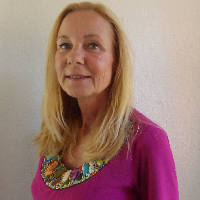
North Carolina · 30 yrs exp
Relationship · Parenting · Anger · Stress, Anxiety · +5 more
Read profile
California · 14 yrs exp
Stress, Anxiety · Relationship · Family · Intimacy-related issues · +9 more
Read profile
Texas · 13 yrs exp
Stress, Anxiety · Relationship · Trauma and abuse · Anger · +11 more
Read profile
Florida · 20 yrs exp
Stress, Anxiety · Addictions · Relationship · Self esteem · +16 more
Read profile
Oregon · 26 yrs exp
Stress, Anxiety · Trauma and abuse · Grief · Depression · +10 more
Read profile
Louisiana · 7 yrs exp
Stress, Anxiety · Family · Trauma and abuse · Parenting · +15 more
Read profile
Maryland · 6 yrs exp
Stress, Anxiety · Trauma and abuse · Self esteem · Coping with life changes · +10 more
Read profile
Florida · 23 yrs exp
Stress, Anxiety · Addictions · Self esteem · Depression · +10 more
Read profile
Michigan · 5 yrs exp
Stress, Anxiety · Relationship · Family · Self esteem · +12 more
Read profile
North Carolina · 10 yrs exp
Stress, Anxiety · Relationship · Family · Bipolar · +16 more
Read profile
Ohio · 18 yrs exp
Stress, Anxiety · Trauma and abuse · Grief · Anger · +11 more
Read profile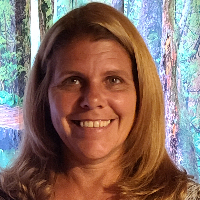
South Carolina · 10 yrs exp
Stress, Anxiety · Relationship · Family · Trauma and abuse · +1 more
Read profile
Colorado · 11 yrs exp
Stress, Anxiety · LGBT · Trauma and abuse · Anger · +15 more
Read profile
Florida · 15 yrs exp
Stress, Anxiety · Addictions · Trauma and abuse · Self esteem · +14 more
Read profile
Michigan · 21 yrs exp
Stress, Anxiety · Relationship · Family · Bipolar · +14 more
Read profile
Texas · 22 yrs exp
Stress, Anxiety · Relationship · Trauma and abuse · Depression · +16 more
Read profile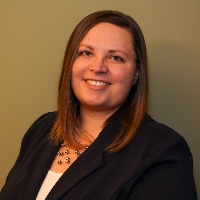
Illinois · 12 yrs exp
Stress, Anxiety · Trauma and abuse · Parenting · Self esteem · +12 more
Read profile
Massachusetts · 25 yrs exp
Stress, Anxiety · Relationship · Family · Self esteem · +14 more
Read profile
Florida · 30 yrs exp
Stress, Anxiety · Grief · Anger · Depression · +15 more
Read profile
Indiana · 8 yrs exp
Stress, Anxiety · Addictions · Family · Trauma and abuse · +15 more
Read profile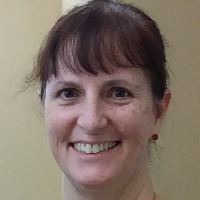
Florida · 32 yrs exp
Stress, Anxiety · Addictions · Relationship · Family · +13 more
Read profile
Florida · 20 yrs exp
Addictions · Relationship · Trauma and abuse · Parenting · +14 more
Read profilePhobias are intense, disproportionate fears of specific objects, situations, or activities that lead people to avoid those triggers or endure them with high distress. You might experience sudden anxiety when you think about or encounter the feared stimulus, and that anxiety can include rapid heart rate, sweating, or a strong urge to escape. Over time avoidance can narrow your day-to-day choices, limiting work, travel, relationships, or enjoyment of activities you once liked. Phobias vary widely in what they involve, from fear of animals or heights to fear of social situations or enclosed spaces.
Phobias often develop after a distressing experience, through learned associations, or through observing fearful reactions in others. Once a phobia takes hold, patterns of thinking and behavior can reinforce it. You might automatically assume something dangerous will happen, and then avoid the situation that would disconfirm that belief. Avoidance reduces immediate anxiety but also prevents new learning that the feared outcome is unlikely or manageable. Understanding that cycle is the first step toward change, because it points to the ways that thoughts and actions feed each other.
CBT focuses on the link between thoughts, feelings, and behavior. When you work with CBT for a phobia, the aim is to identify the anxious predictions and safety-driven behaviors that maintain the fear. Cognitive techniques help you examine and test those predictions, while behavioral techniques encourage new experiences that change your expectations. The combined approach recognizes that shifting how you interpret a situation and how you act in it can reduce anxiety over time.
Exposure is the behavioral heart of CBT for phobias. That can mean stepping gradually into real-life situations, practicing imagining the feared scenario, or using exercises that produce the sensations you fear so you can learn they are manageable. Cognitive work involves examining catastrophic thoughts and rehearsing more balanced appraisals. Therapists who work with CBT often integrate behavioral experiments that let you test beliefs in controlled ways, helping you gather evidence that contradicts anxious predictions. The result is not avoidance but measured learning that anxiety does not have to dictate your choices.
In the early sessions you and your clinician will review your history, the situations that trigger fear, and how those reactions affect your functioning. Together you create a formulation - a practical map that links specific thoughts, feelings, and behaviors to the phobia. This shared understanding guides treatment decisions and makes each step more purposeful. You should expect the therapist to ask about what you have tried before and what feels most distressing so they can tailor exposure tasks and cognitive work to your situation.
CBT is often structured and time-limited, with clear goals for each session. You will likely spend time practicing skills during the session and planning graded exposures to carry out between sessions. Homework is a core component because progress often depends on repeated practice in real-life settings. Tools you may encounter include thought records to track anxious predictions, behavioral experiments to test beliefs, relaxation or grounding strategies for managing intense anxiety, and step-by-step exposure hierarchies that help you move toward feared situations at a tolerable pace.
Over decades of clinical research, cognitive behavioral approaches that include exposure and cognitive restructuring have shown consistent benefits for many kinds of phobias. Studies comparing structured CBT programs to control conditions often report meaningful reductions in fear and avoidance, and improvements tend to persist when the work is followed through. Researchers emphasize that the exposure component - carefully planned and repeated experiences that disconfirm fearful predictions - is a key driver of change, while cognitive work helps you interpret those experiences in a way that supports lasting gains.
The structured nature of CBT makes it adaptable to virtual formats. Video sessions can support assessment, formulation, and cognitive work just as in person, and clinicians who list CBT among their approaches can coach you through in-session exercises and plan exposures you carry out independently or with guidance between meetings. Online sessions can be a practical option for people whose fears make travel difficult. To get the most from virtual work, arrange a quiet, uninterrupted space for sessions and be ready to use digital tools such as screen sharing for worksheets or recorded practices. If exposures involve real-world settings, your therapist can help design steps you can do safely where you are, and then review the results together.
When you review therapist listings, look for clinicians who list CBT among their approaches and who describe experience with phobia-focused work, such as exposure therapy, anxious avoidance, or behavioral experiments. Pay attention to stated credentials and licensure so you can verify that a clinician is authorized to practice in your state. Reading how a therapist describes their typical session pacing, use of homework, and collaboration style can help you imagine whether their approach fits how you prefer to work.
Before committing to a course of CBT, consider asking potential therapists about their experience using CBT for phobias, how they structure exposures, and how they measure progress. Ask how they adapt interventions for in-person versus virtual work, and whether they incorporate specific methods you are interested in, such as imaginal exposure or interoceptive techniques. It is reasonable to ask about typical session length and number of sessions for phobia-focused work, recognizing that individual needs vary. Also verify licensure status with your state licensing board so you can confirm that the clinician meets regulatory requirements in your area.
Finding the right match can make a difference in how comfortable you feel doing the sometimes challenging work of exposure and cognitive change. Use therapist profiles to compare focus areas, approaches, languages spoken, and years of experience, and plan a conversation to get a sense of style and fit. With structured CBT methods and consistent practice between sessions, many people find they can reduce avoidance and regain more freedom in daily life.
Alabama
234 therapists
Alaska
20 therapists
Arizona
209 therapists
Arkansas
110 therapists
California
1110 therapists
Colorado
317 therapists
Connecticut
125 therapists
Delaware
44 therapists
District of Columbia
39 therapists
Florida
1656 therapists
Georgia
582 therapists
Hawaii
54 therapists
Idaho
89 therapists
Illinois
498 therapists
Indiana
253 therapists
Iowa
70 therapists
Kansas
113 therapists
Kentucky
173 therapists
Louisiana
302 therapists
Maine
64 therapists
Maryland
206 therapists
Massachusetts
176 therapists
Michigan
565 therapists
Minnesota
192 therapists
Mississippi
158 therapists
Missouri
394 therapists
Montana
87 therapists
Nebraska
82 therapists
Nevada
85 therapists
New Hampshire
43 therapists
New Jersey
319 therapists
New Mexico
86 therapists
New York
696 therapists
North Carolina
658 therapists
North Dakota
16 therapists
Ohio
385 therapists
Oklahoma
250 therapists
Oregon
118 therapists
Pennsylvania
487 therapists
Rhode Island
27 therapists
South Carolina
299 therapists
South Dakota
31 therapists
Tennessee
245 therapists
Texas
1553 therapists
Utah
137 therapists
Vermont
27 therapists
Virginia
302 therapists
Washington
210 therapists
West Virginia
53 therapists
Wisconsin
239 therapists
Wyoming
44 therapists