LCSW, CSW
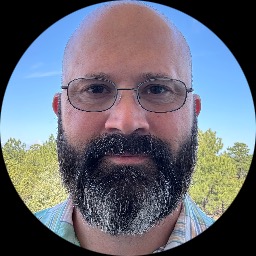
Paul Brunner, LCSW, CSW
Practical trauma-informed clinical social worker
Online therapy - get matched and start messaging.
About Paul
He spent much of his career serving service members and Veterans, beginning in the Army in 1999 as a mental health technician and later serving as an Army officer and active duty social worker. Those years shaped his focus on trauma care and substance use treatment for Veterans and others exposed to intense stress.
Paul holds a Master of Social Work and completed the licensing steps for Colorado and North Carolina. His credentials include LCSW and CSW, which he uses in clinical practice in Colorado. He combines that background with several therapeutic tools to match each person’s needs.
In sessions he draws on Cognitive Behavioral Therapy and mindfulness to teach practical skills for emotion regulation and better sleep. He also uses Dialectical Behavior Therapy techniques and EMDR for people coping with strong trauma memories. Motivational interviewing guides work around substance use and behavior change.
Paul aims to meet people where they are and focus on clear, reachable goals. He emphasizes short-term strategies that help in daily life, then adds longer-term work when clients are ready. The approach is straightforward and action oriented.
How evidence-based methods work online
Paul frequently uses Cognitive Behavioral Therapy to help people identify unhelpful thought patterns and change behaviors that keep problems going. CBT sessions often include homework and short skill practices that translate well to video or messaging formats.He also uses EMDR for trauma processing when appropriate, which involves guided attention to help reduce the intensity of painful memories. EMDR can be adapted for online work with clear preparation and pacing. Dialectical Behavior Therapy skills are taught to improve emotion regulation, distress tolerance, and interpersonal effectiveness through straightforward exercises and practice between sessions.
Choosing the right approach is a team effort. The therapist will talk with each person about their goals and preferences, try techniques, and adjust the plan based on what helps most. This collaborative process aims to find the best fit rather than sticking to a single method.
Online therapy offers flexibility with video calls, phone sessions, live chat, or text-based messaging. Video calls let people work face to face; phone sessions can be easier when bandwidth is limited; live chat and messaging support quick check-ins or ongoing reflections between sessions. These options make it easier to fit therapy into busy lives and keep continuity when schedules or location change.
Frequently asked questions
What concerns does he help with?
He works with stress, anxiety, trauma and abuse, anger, depression, compassion fatigue, LGBT issues, family and relationship stress, sleep problems, self-esteem, career concerns, bipolar disorder, and ADHD among other issues.
What is his therapy style and approach?
The style is practical and skills-focused. He uses Cognitive Behavioral Therapy, Dialectical Behavior Therapy, EMDR, mindfulness, and motivational interviewing depending on a person’s needs.
How much clinical experience does he have?
He has 15 years of experience in mental health, including work with service members, Veterans, and people affected by trauma and substance use.
Where is he licensed and located?
He holds LCSW and CSW credentials and is licensed in Colorado and North Carolina; his practice is based in Colorado.
Which languages are supported?
Sessions are offered in English.
Can people outside the United States work with him?
He does not accept international clients at this time.
What session formats are available?
He offers video calls, phone sessions, live chat, and text-based messaging to suit different schedules and preferences.
How is cost handled and how do I get started?
Cost varies with location and therapist availability and uses a subscription that can be canceled at any time. To begin, select the Start Therapy button, complete the brief matching questionnaire, and schedule according to therapist availability.
Areas of expertise
Primary focus
Also works with
Additional focus areas
Therapeutic approaches
Experience
15+ years
Licensed
North Carolina, Colorado
Languages
English
License and registration
- LCSW, North Carolina
- C007062
- LCSW, Colorado
- CSW.09926354
- NPI (National Provider Identifier)
- 1659517837
As listed on the therapist's professional profile. You can check a license with the state licensing board and an NPI in the national registry.
Ready to work with Paul?
Begin with a short quiz to get matched and start messaging.
Start with Paul →