LMHC
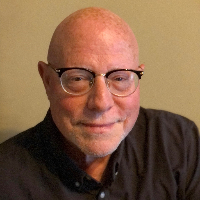
Prof. Michael Feldler, LMHC
Experienced counselor focused on practical change
Online therapy - get matched and start messaging.
About Michael
He uses practical, talk-based methods to identify what feels most urgent and what lies underneath. Cognitive Behavioral Therapy (CBT) often shapes sessions when the goal is to change unhelpful thinking and behavior. Acceptance and Commitment Therapy (ACT) and client-centered conversation are part of his approach when values and acceptance matter more than symptom removal.
He draws on many years working in clinical and teaching settings in New York. That experience includes supervising students and running training clinics, which informs a clear, education-focused style. Sessions tend to be straightforward, with an emphasis on skills people can practice between meetings.
In meetings he listens for both immediate problems and deeper patterns. He helps people set concrete goals and tests small changes to see what helps. He also brings ideas from attachment-focused work when relationships and early experiences shape current struggles.
People who choose him can expect a steady, conversational approach that balances teaching, skill-building, and personal reflection. He aims to reduce isolation and help people move toward the life they want.
How practical approaches meet online care
Prof. Feldler often uses Cognitive Behavioral Therapy to help people notice and change patterns of thinking and behavior that contribute to anxiety, depression, or addictive habits. CBT sessions focus on clear goals, concrete exercises, and homework that people can practice between meetings.He also uses Acceptance and Commitment Therapy when the work centers on values, acceptance, and living a meaningful life despite ongoing pain or difficult thoughts. ACT emphasizes noticing what matters most and taking small steps toward those values. Attachment-Based Therapy appears when relationship patterns and early bonds help explain current struggles, offering ways to understand and shift connection habits.
Choosing the right approach is a team effort. He will discuss options and tailor methods to a person's goals, needs, and preferences so the work feels relevant and doable.
Online formats include video calls, phone sessions, live chat, and text-based messaging to fit different schedules and needs. Video lets people use visual cues for deeper conversations. Phone sessions can be useful when bandwidth is limited or when a shorter check-in is needed. Text and chat are convenient for brief updates, skill practice, or flexible communication between meetings. These options make it easier to fit therapy around work, family, and daily life while using the approaches described above.
Frequently asked questions
What kinds of concerns does this therapist address?
He works with a wide range of concerns including stress, anxiety, depression, addictions, trauma and relationship or intimacy issues. He also supports people with sleep or eating problems, ADHD, grief, and career or life changes.
What is his general therapy style like?
Sessions are conversational and practical. He blends skill-building with reflective work and helps people try small changes between sessions.
How much experience does he have?
He has 38 years of clinical and teaching experience, including supervising students in a college-based mental health training clinic.
What credentials and location are listed?
He is a Licensed Mental Health Counselor (LMHC) licensed in New York and practices from that region.
Which languages are supported for sessions?
Sessions are offered in English.
What session formats are available?
Sessions can be done by video calls, phone sessions, live chat, or text-based messaging.
How does payment and cost work?
Cost varies with location and therapist availability; sessions use a subscription model that can be canceled at any time.
What are the steps to begin working together?
Start by selecting the Start Therapy button, complete a short matching questionnaire, and then schedule according to therapist availability.
Areas of expertise
Primary focus
Also works with
Additional focus areas
Therapeutic approaches
Experience
38+ years
Licensed
New York
Languages
English
License and registration
- LMHC, New York
- 001876
- NPI (National Provider Identifier)
- 1891469276
As listed on the therapist's professional profile. You can check a license with the state licensing board and an NPI in the national registry.
Ready to work with Michael?
Begin with a short quiz to get matched and start messaging.
Start with Michael →