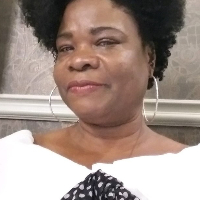
Marie Pierre-Canel
LMHC· Accepting clientsFlorida · 8 yrs exp
Stress, Anxiety · Relationship · Family · Coping with life changes · +9 more
Read profileThe therapist listings are provided by BetterHelp and we will earn a commission if you use our link - at no cost to you.
Therapy in your native language can make a big difference in how you express feelings and understand support. Below you can browse profiles of therapists who speak Haitian Creole and review their approaches and areas of focus.
Use the listing to explore options that align with your needs and cultural background before reaching out to a therapist who feels like a good fit.
Florida · 8 yrs exp
Stress, Anxiety · Relationship · Family · Coping with life changes · +9 more
Read profile
Ohio · 19 yrs exp
Stress, Anxiety · Addictions · Family · Depression · +15 more
Read profile
Georgia · 30 yrs exp
Stress, Anxiety · Relationship · Family · Depression · +12 more
Read profile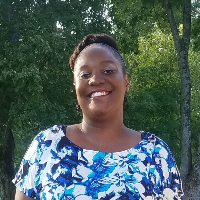
Alabama · 10 yrs exp
Stress, Anxiety · Family · Self esteem · Depression · +6 more
Read profile
Maryland · 9 yrs exp
Stress, Anxiety · Family · Self esteem · Depression · +8 more
Read profile
Florida · 5 yrs exp
Stress, Anxiety · Family · Trauma and abuse · Self esteem · +12 more
Read profile
Florida · 7 yrs exp
Addictions · Self esteem · Stress, Anxiety · Anger · +2 more
Read profile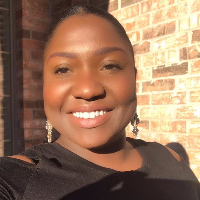
Florida · 19 yrs exp
Stress, Anxiety · Family · Trauma and abuse · Parenting · +13 more
Read profile
Florida · 13 yrs exp
Stress, Anxiety · Relationship · Trauma and abuse · Self esteem · +4 more
Read profile
Florida · 15 yrs exp
Stress, Anxiety · Trauma and abuse · Self esteem · Depression · +11 more
Read profile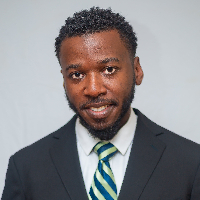
Florida · 18 yrs exp
Stress, Anxiety · Relationship · Family · Intimacy-related issues · +10 more
Read profile
Florida · 12 yrs exp
Stress, Anxiety · Addictions · Trauma and abuse · Grief · +13 more
Read profile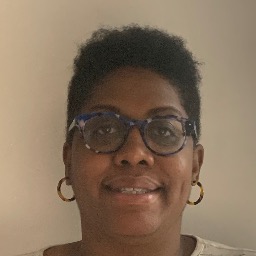
New Jersey · 14 yrs exp
Stress, Anxiety · Family · Parenting · Depression · +5 more
Read profile
New York · 3 yrs exp
Stress, Anxiety · Addictions · Relationship · Family · +8 more
Read profile
Maryland · 13 yrs exp
Family · Self esteem · Career · Depression · +8 more
Read profile
Maryland · 9 yrs exp
Relationship · Family · Trauma and abuse · Self esteem · +1 more
Read profile
Connecticut · 14 yrs exp
Stress, Anxiety · Family · Trauma and abuse · Self esteem · +9 more
Read profile
Connecticut · 11 yrs exp
Stress, Anxiety · Addictions · LGBT · Depression · +10 more
Read profile
Rhode Island · 8 yrs exp
Family · Grief · Self esteem · Depression · +8 more
Read profile
Florida · 8 yrs exp
Stress, Anxiety · Relationship · Family · Parenting · +1 more
Read profile
Florida · 16 yrs exp
Stress, Anxiety · Relationship · Family · Grief · +8 more
Read profile
Florida · 6 yrs exp
Stress, Anxiety · Parenting · Anger · Depression · +1 more
Read profile
Florida · 5 yrs exp
Stress, Anxiety · Relationship · Self esteem · Depression · +1 more
Read profile
Virginia · 4 yrs exp
Stress, Anxiety · Anger · Self esteem · Depression · +3 more
Read profileWhen you speak with a therapist in Haitian Creole, words and phrases that carry cultural nuance are more likely to land the way you intend. Language shapes how you name emotions, how you reference family roles, and how you describe traditions and stressors that are unique to Haitian culture. Speaking in your native language can reduce the effort of translation and let you focus on the content of your experience rather than the mechanics of expressing it. That often opens room for deeper reflection and more accurate emotional expression.
A therapist who shares your language is more likely to understand idioms, proverbs, and culturally rooted ways of describing relationships and suffering. This does not guarantee cultural knowledge, but it increases the chances that important subtleties are noticed and respected. For many people, being heard in the language used at home or with family creates a stronger sense of being understood, which can make it easier to discuss sensitive topics such as migration, intergenerational conflict, grief, and identity.
When you and a therapist do not share the same language, much of the therapeutic work depends on translation and adaptation. That can affect the tone of sessions, the immediacy of emotional exchange, and the precision of clinical terms. You might find yourself simplifying or omitting detail because translating complex feelings feels awkward. Over time this narrowing can limit the progress you want from therapy, because important emotions or culturally specific meanings may not be fully explored.
Language is only one part of communication. Nonverbal cues, tone, and culturally informed expectations about the therapeutic relationship also matter. If a therapist is unfamiliar with Haitian ways of showing respect, concern, or deference, you might notice misunderstandings in the rhythm of conversation. Working in Haitian Creole can reduce these barriers and let you convey subtleties in nonverbal expression through a familiar linguistic framework.
Online therapy with a Haitian Creole-speaking therapist often resembles in-person work in structure - you and the therapist meet, discuss concerns, set goals, and work through strategies and reflections - but the medium changes the logistics. Sessions may begin with practical orientation about how technology will be used and what to expect in terms of communication style. Because you share a language, the initial intake and ongoing conversations can move more quickly to substantive topics without as much time spent translating cultural references or clarifying meaning.
Before a first online session, you may want to check your internet connection, camera and microphone, and a comfortable place to talk. Consider whether you prefer a quiet room, a living area where family members will not interrupt, or another location that helps you feel at ease. You can expect conversations about the therapist's approaches, areas of focus, and the types of strategies they use. If you are curious about particular methods - for example, cognitive behavioral strategies - look for therapists who list CBT among their approaches. If other modalities are of interest, search for therapists who list those approaches among their offerings.
Many Haitian Creole speakers worry about stigma related to mental health. Cultural expectations about resilience, family roles, and religious coping can make it difficult to seek help openly. You may fear judgment or worry that discussing family matters will be seen as disloyal. Bringing these concerns into the therapy conversation is a common starting point. A therapist who speaks your language can more easily explore how cultural values shape your choices and help you find ways to honor those values while addressing your needs.
Another common concern is locating a therapist who both speaks Haitian Creole and understands cultural context. Language alone does not guarantee cultural attunement, and cultural attunement does not require shared nationality. You can look for therapists who indicate experience with Haitian communities, who list relevant focus areas such as migration, cultural identity, or family dynamics, and who describe how they incorporate cultural understanding into their work. Reading profiles carefully can give you a sense of how a therapist frames cultural issues and whether that feels like a fit for you.
Online therapy widens the pool of Haitian Creole-speaking therapists you can reach. You are not limited by geographic proximity, so you can connect with clinicians who match your linguistic and cultural needs even if they are located in another city or region. This flexibility can be especially helpful if local options are limited or if you prefer the convenience of meeting from home or another comfortable setting. Online sessions also allow for scheduling that fits work, family, and other responsibilities.
Start by reviewing therapist profiles to see which practitioners list Haitian Creole among their languages. Read how they describe their focus areas, such as anxiety, trauma, family relationships, or life transitions. Notice which therapeutic approaches they mention and remember that these are approaches they list - they may include CBT among their approaches, or other modalities, and knowing what is listed helps you identify a match. Pay attention to the credentials and years of experience described, as well as any mention of working with immigrant communities or with Haitian cultural issues. Consider reaching out with a brief message to ask how they approach topics that matter to you and to get a sense of their communication style. If religion or spiritual beliefs are important to you, ask how those themes are addressed in therapy. If you prefer a therapist who shares a particular cultural or generational perspective, include that in your search criteria. Finally, trust your sense of comfort when interacting with a therapist. Feeling heard, respected, and understood in Haitian Creole is a key part of building a helpful therapeutic relationship.
When you find profiles that align with your needs, prepare a short list of what you want to discuss and any questions about approach or experience. Think about your goals for therapy and how you prefer to receive feedback and suggestions. If you have concerns about fees or insurance, look for those details in profiles or ask directly. Taking these practical steps can help you make a more informed choice and begin work that honors your language, your culture, and your personal priorities.
Seeking therapy in Haitian Creole can open doors to clearer communication, culturally relevant exploration, and a therapeutic rhythm that honors your background. The directory below can help you find therapists who speak Haitian Creole and list approaches and focus areas that match what you are looking for. Use the information provided to identify potential fits and begin a conversation about how you and a therapist might work together toward your goals.