LCMHC
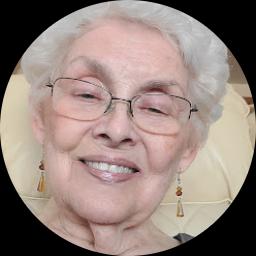
Naomia Bell, LCMHC
Trauma-informed counselor focused on practical skills
Online therapy - get matched and start messaging.
About Naomia
She blends Cognitive Behavioral Therapy with acceptance-based tools to help people notice unhelpful thoughts and try new responses. Attachment-based ideas guide work on closeness, trust, and patterns that come from early relationships. Naomia also uses client-centered listening and skills from Dialectical Behavior Therapy to build emotion regulation and coping skills.
Her background includes roles as a special education teacher and guidance counselor, plus many years across inpatient and outpatient settings. That range informs a flexible approach that matches methods to each person's needs. She has long experience working with trauma and complex presentations.
Sessions focus on clear, manageable steps. Naomia helps clients set concrete goals, try experiments between sessions, and track what works. Conversations are straightforward - the aim is real change for daily life, not just ideas.
People who come for help bring issues like addiction, relationship and family problems, eating concerns, chronic illness or pain, ADHD, and career stress. Naomia works with those struggles by combining practical coping skills, values-based steps, and attention to how early attachments shape current patterns.
How approaches like CBT and ACT translate to online care
Naomia commonly integrates Cognitive Behavioral Therapy and Acceptance and Commitment Therapy in online sessions. CBT focuses on identifying and testing unhelpful thoughts and trying new behaviors to reduce distress, which works well over video or phone when clients practice small homework tasks between meetings. ACT emphasizes values and mindful noticing of painful thoughts so people can take value-driven action despite discomfort; it suits people facing loss, chronic illness, or ongoing stress.Finding the right approach is a collaborative process. The therapist will talk with each person about goals, preferences, and what feels most useful, then adjust methods as progress is tracked. Clients and therapist decide together which techniques to emphasize and when to shift focus.
Online formats offer practical flexibility. Video calls let the therapist and client see nonverbal cues and work through exercises together. Phone sessions can be lower bandwidth and easier to fit into a work break. Live chat and text-based messaging support shorter check-ins, notes between sessions, and ongoing coaching-style support. These options make it easier to stay consistent with therapy while balancing daily life.
Frequently asked questions
What kinds of problems does she help with?
She helps with stress, anxiety, trauma and abuse, grief, mood disorders like bipolar and depression, addictions, relationship and family concerns, eating and anger issues, self esteem, career strain, ADHD, and related topics.
How would you describe her therapy style?
Her style is pragmatic and warm. She uses Cognitive Behavioral Therapy along with acceptance and attachment-informed work and skills from DBT to build coping and insight.
What experience does she bring to sessions?
She has 20 years in mental health and has worked in both inpatient and outpatient settings, plus experience as a special education teacher and guidance counselor.
What are her credentials and where is she based?
She holds the credential LCMHC, listed as UT LCMHC, and practices from Utah.
Can she work with people who live outside the U.S.?
Sessions are offered in English and international clients are accepted.
Which session formats are available?
She offers video calls, phone sessions, live chat, and text-based messaging to suit different needs and schedules.
How does payment and cost work?
Cost varies with location and therapist arrangements; sessions use a subscription model that can be canceled at any time.
What do I do to begin working together?
Start by selecting the Start Therapy button, complete the short matching questionnaire, and then schedule a session based on the therapist's availability.
Areas of expertise
Primary focus
Also works with
Additional focus areas
Therapeutic approaches
Experience
20+ years
Licensed
Utah
Languages
English
License and registration
- LCMHC, Utah
- 311861-6004
- NPI (National Provider Identifier)
- 1649644428
As listed on the therapist's professional profile. You can check a license with the state licensing board and an NPI in the national registry.
Ready to work with Naomia?
Begin with a short quiz to get matched and start messaging.
Start with Naomia →