LMFT
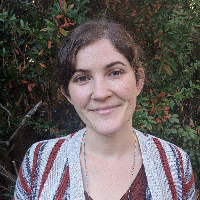
Jorie Wehrell, LMFT
Compassionate CBT and attachment-focused care
Online therapy - get matched and start messaging.
About Jorie
Jorie brings 14 years of work in social services and clinical settings to her practice. Her background includes group homes, juvenile justice, community mental health, and private practice. Those experiences shaped a straightforward style that focuses on what will help now.
She believes people develop stories about themselves based on life events, and those stories affect how they handle relationships and emotions. In sessions she helps people notice those patterns, test new ways of responding, and practice different skills. This includes coping techniques, communication tools, and ways to manage mood shifts.
The approach is collaborative and active. Jorie emphasizes the relationship in therapy as the foundation for change. She often combines short-term goal work with attention to attachment and interpersonal themes when it fits the problem.
Clients describe practical planning in sessions, like setting small steps and homework to try between meetings. Jorie also supports people working through grief, trauma and abuse, addiction concerns, fertility and parenting stress, and issues around intimacy and identity. She offers services from Washington and works with people in English, including some international clients.
How CBT and attachment work online
Jorie commonly uses cognitive behavioral techniques and attachment-focused work to address problems in online sessions. CBT focuses on noticing unhelpful thoughts and trying alternative behaviors to reduce anxiety, manage mood, or break cycles of avoidance. It often involves practical exercises and short assignments to practice between meetings.Attachment-based work looks at patterns in close relationships and how early experiences shape expectations of others. In therapy this can mean mapping patterns, practicing new ways of communicating, and building emotional awareness to improve connection and reduce recurring conflict.
Finding the right approach is part of the work together. The therapist will talk with each person about their goals, preferences, and daily life to decide whether CBT, attachment work, or a mix makes the most sense. That collaboration helps tailor sessions to concrete needs and realistic steps.
Online sessions are offered as video calls, phone sessions, live chat, or text-based messaging to fit different routines. Video lets people use visual cues for relationship and attachment work. Phone sessions can be useful for shorter check-ins or when bandwidth is limited. Chat and messaging are helpful for quick check-ins, written exercises, or when someone prefers written reflection. These options make it easier to fit therapy into work, parenting, or other responsibilities.
Frequently asked questions
What concerns does she help with?
She supports people dealing with stress, anxiety, depression, relationship and parenting challenges, addictions, trauma and abuse, grief, intimacy issues, eating concerns, anger, self-esteem, career questions, bipolar and ADHD among other life changes.
What is her therapeutic style like?
Her style is collaborative, client-centered, and active. She uses goal-setting and practical exercises drawn from cognitive behavioral approaches along with attachment and emotionally focused ideas.
How much clinical experience does she have?
She has 14 years of experience working across therapeutic group homes, juvenile justice, community mental health, and private practice settings.
Where is she licensed and based?
She is a licensed marriage and family therapist (LMFT) in Washington and provides services from that state.
Which languages and international options are available?
Sessions are offered in English and she accepts international clients.
What session formats are offered?
She offers video calls, phone sessions, live chat, and text-based messaging to fit different schedules and needs.
How does pricing work?
Cost varies with location and therapist availability; sessions use a subscription model that can be canceled at any time.
What is the first step to begin therapy?
Click the Start Therapy button, complete a short matching questionnaire, and schedule sessions according to therapist availability.
Areas of expertise
Primary focus
Also works with
Additional focus areas
Therapeutic approaches
Experience
14+ years
Licensed
Washington
Languages
English
License and registration
- LMFT, Washington
- LF60231144
- NPI (National Provider Identifier)
- 1740558394
As listed on the therapist's professional profile. You can check a license with the state licensing board and an NPI in the national registry.
Ready to work with Jorie?
Begin with a short quiz to get matched and start messaging.
Start with Jorie →