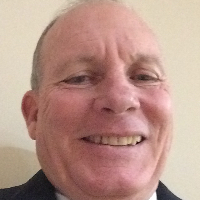
LPC, LCMHC
Donald McRae, LPC, LCMHC
Practical, skills-focused counseling with CBT influence
Online therapy - get matched and start messaging.
About Donald
In sessions he uses straightforward methods rooted in Cognitive Behavioral Therapy (CBT) alongside acceptance-based and mindfulness practices. He blends those approaches with Dialectical Behavior Therapy skills and motivational interviewing to help people change thoughts, build coping skills, and move toward goals. The work is collaborative and goal oriented, with skills practiced between meetings.
Donald has worked in clinics, on military bases, and with nonprofit agencies. That variety shaped a flexible style that fits many life situations. He often runs individual therapy and has led groups when a skills-based format is useful.
He pays attention to practical changes - sleep habits, communication patterns, and daily routines - as well as to painful emotions like shame, guilt, and grief. He supports people facing caregiving strain, career stress, and aging-related concerns in addition to mood and trauma-related problems.
People who prefer clear explanations and step-by-step skill practice tend to do well with his approach. He asks about goals up front and helps set small, achievable steps. Sessions are offered by video call, phone, live chat, or text-based messaging to fit different schedules.
How CBT, ACT, and DBT Work Online
Donald often uses Cognitive Behavioral Therapy to help people notice unhelpful thoughts and try new behaviors that ease stress and anxiety. CBT focuses on concrete skills and short-term, problem-focused change and is useful for mood, sleeping, and work-related issues.He also uses Acceptance and Commitment Therapy to help people clarify personal values and take meaningful action even when difficult feelings remain. ACT supports coping with grief, chronic stress, and transitions by shifting how someone responds to painful thoughts and emotions.
Dialectical Behavior Therapy skills are used to build emotion regulation, distress tolerance, and better communication. Those skills can help with intense emotions, relationship conflict, and impulse control.
Finding the best approach is a shared process. The therapist talks with each person about goals, preferences, and what has or hasn’t worked before. Then he mixes approaches to match the client’s needs rather than using a single method for every problem.
Online formats include video calls, phone sessions, live chat, and text-based messaging. Video sessions allow face-to-face conversation and skill demonstrations. Phone sessions work well when bandwidth or camera use is limited. Live chat and text messaging make quick check-ins or brief coaching easier between longer meetings. These options help fit therapy into busy schedules and different daily routines.
Frequently asked questions
What concerns does this therapist address?
He helps people with stress, anxiety, depression, addictions, grief, relationship and intimacy issues, sleep problems, parenting strain, anger, self-esteem, career stress, bipolar concerns, trauma and abuse, and coping with life changes.
How would you describe his therapeutic style?
His style is practical and collaborative. He focuses on skill building, clear explanations, and setting small goals to create change over time.
What kind of experience does he bring?
He has 25 years of professional experience working in mental health clinics, military settings, and nonprofit agencies, offering individual therapy and running psychotherapy groups.
What credentials and location are listed?
He is listed as an LPC, which stands for Licensed Professional Counselor, and an LCMHC, Licensed Clinical Mental Health Counselor, and practices in North Carolina.
In which languages can sessions be held?
Sessions are offered in English.
What formats are available for sessions?
Sessions are offered by video calls, phone sessions, live chat, or text-based messaging to accommodate different schedules and communication preferences.
How are costs and billing handled?
Cost varies with location and therapist availability; sessions use a subscription model that can be canceled at any time.
What steps are involved in starting therapy?
To begin, select the Start Therapy button, complete a short matching questionnaire, and schedule sessions according to therapist availability.
Areas of expertise
Primary focus
Also works with
Additional focus areas
Therapeutic approaches
Experience
25+ years
Licensed
South Carolina, North Carolina
Languages
English
License and registration
- LPC, South Carolina
- 4661
- LCMHC, North Carolina
- 16473
- NPI (National Provider Identifier)
- 1700988326
As listed on the therapist's professional profile. You can check a license with the state licensing board and an NPI in the national registry.
Ready to work with Donald?
Begin with a short quiz to get matched and start messaging.
Start with Donald →