LCMHC
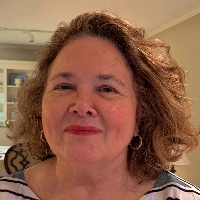
Dr. Deborah Gipple, LCMHC
Compassionate clinician guiding practical change
Online therapy - get matched and start messaging.
About Deborah
Her approach blends clear problem-solving with attention to how feelings shape behavior. Sessions focus on what is happening now and what can be done differently. She uses cognitive behavioral ideas to spot unhelpful thoughts, client-centered ways to stay focused on each person’s needs, and trauma-focused strategies when past hurt affects daily life.
Clients can expect straightforward conversation and concrete tools to try between meetings. She often works on coping skills for anxiety, managing mood swings, addressing addictive behaviors, and handling the fallout from trauma or abuse. Parenting concerns, workplace stress, relationship struggles, and questions about identity are also areas she addresses.
Her background includes a Ph.D. in Mental Health Counseling and two decades of hands-on clinical work. The LCMHC credential indicates state licensure in North Carolina. She conducts sessions in English and does not take international clients.
Practical options include video calls, phone sessions, live chat, or text messaging. Therapy uses a subscription that can be canceled at any time, and scheduling is arranged after completing a brief matching questionnaire.
Online approaches and how they help
Dr. Gipple commonly uses cognitive behavioral techniques and trauma-focused methods in online work. Cognitive behavioral therapy helps people notice unhelpful thought patterns and try new behaviors; it is useful for anxiety, depression, and managing mood shifts. Trauma-focused therapy concentrates on how past harm affects the present and offers ways to reduce distress and regain control over daily life.She also draws on client-centered therapy, which means the conversation stays focused on each person's goals and experiences. Finding the right blend of approaches is a shared task. The therapist will review needs, preferences, and goals with each person and adjust methods together as therapy unfolds.
Online formats include video calls, phone sessions, live chat, and text-based messaging, which make it easier to fit therapy into busy lives. Video is good for face-to-face conversation and practicing skills. Phone sessions can work when bandwidth or being on camera is difficult. Live chat and text allow shorter check-ins, quick reflections between sessions, or ongoing support that fits a break at work or a quiet moment at home.
This range of options helps people keep therapy consistent while matching the format to what feels most manageable and useful.
Frequently asked questions
What concerns does she address?
She helps people with stress, anxiety, depression, grief, trauma and abuse, and addictions, along with issues like self-esteem, parenting strain, and career questions.
How would you describe her therapeutic style?
Her style combines problem-solving with listening. She uses client-centered conversation, cognitive behavioral ideas, mindfulness, and trauma-focused approaches to find practical steps forward.
What experience does she bring?
She has 23 years of clinical experience and a Ph.D. in Mental Health Counseling, working with adults on a wide range of concerns.
Where is she licensed and practicing?
She holds an LCMHC license in North Carolina and practices there while offering online sessions to people within the permitted region.
Which languages are supported for sessions?
Sessions are offered in English.
What session formats are available?
Therapy is offered via video calls, phone sessions, live chat, or text-based messaging to match different needs and schedules.
How does payment and cost work?
Costs vary by location and therapist availability; sessions use a subscription model that can be canceled at any time.
What are the steps to begin therapy?
Click the Start Therapy button, complete a short matching questionnaire, and schedule appointments according to the therapist's availability.
Areas of expertise
Also works with
Additional focus areas
Therapeutic approaches
Experience
23+ years
Licensed
North Carolina
Languages
English
License and registration
- LCMHC, North Carolina
- 6466
- NPI (National Provider Identifier)
- 1235252172
As listed on the therapist's professional profile. You can check a license with the state licensing board and an NPI in the national registry.
Ready to work with Deborah?
Begin with a short quiz to get matched and start messaging.
Start with Deborah →