LPCC, LPC
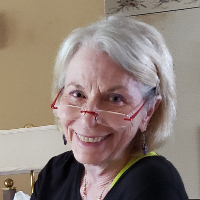
Dr. Carrie Willey, LPCC, LPC
Practical, experienced therapist for addiction and trauma recovery
Online therapy - get matched and start messaging.
About Carrie
She uses Cognitive Behavioral Therapy, along with Dialectical Behavior Therapy and somatic methods, to help people change unhelpful habits and manage intense emotions. Sessions often include simple, doable tasks to practice new skills at home. She notices what already works for each person and builds on those strengths.
Her background includes leadership roles at residential treatment programs focused on addiction and eating disorders, and clinical work with culturally diverse communities through Indian Health Services. That history shaped her comfort with trauma work and addiction recovery approaches.
In the room she combines hands-on strategies with attention to body signals and relationship patterns. She also draws on existential ideas about meaning and purpose when that fits a person's goals. People who prefer a blend of practical skill-building and reflective work tend to find her approach useful.
Dr. Willey is straightforward and goal-oriented while remaining respectful of each person's beliefs and values. She offers sessions by video call, phone, live chat, or text-based messaging to fit different schedules and needs.
How CBT, DBT, and Somatic Work Translate to Online Care
Dr. Willey routinely uses Cognitive Behavioral Therapy to help people identify and change thoughts and actions that worsen mood or anxiety. CBT focuses on practical steps and homework that can be reviewed over video or messaging. Dialectical Behavior Therapy adds clear skills for handling strong emotions and improving distress tolerance, which can be practiced during sessions and between appointments. Somatic work attends to body sensations and movement to help process trauma or overwhelming states, often using guided exercises that adapt well to online coaching and observation.Finding the right mix of approaches is a collaborative process. The therapist will review needs, goals, and preferences together and adjust methods over time. That means the treatment plan can emphasize skill-building, body-based work, or reflective questions depending on what helps most for each person.
Online sessions are offered by video calls, phone, live chat, or text-based messaging to make therapy more flexible. Video is useful for demonstrations, role plays, and body-focused exercises. Phone sessions can be a lower-bandwidth option for longer conversations. Live chat or text lets people check in between meetings, complete brief homework, or have a shorter focused touchpoint when a full session is not practical.
Frequently asked questions
What kinds of concerns does this therapist address?
She addresses addictions, eating concerns, trauma and abuse, grief, depression, anxiety, stress, relationship and intimacy-related issues, anger, self-esteem, and career concerns, among other focus areas.
How would you describe the therapeutic style and approach?
The approach is practical and skill-based, using Cognitive Behavioral Therapy and Dialectical Behavior Therapy alongside somatic and existential ideas. Sessions often include short assignments to practice between meetings.
What is the therapist's background and experience?
She has 36 years of experience, including clinical leadership at addiction and eating disorder programs and work with culturally diverse communities through Indian Health Services.
What credentials and location are on file?
She holds LPCC and LPC credentials and practices in Texas with a career spanning multiple states and treatment settings.
Which languages are supported and are international clients accepted?
Sessions are offered in English and international clients are not currently accepted.
In what formats are sessions offered?
Sessions are available by video calls, phone sessions, live chat, or text-based messaging to suit different needs and schedules.
How is cost handled for sessions?
Cost varies with location and therapist availability; sessions use a subscription model that can be canceled at any time.
What are the steps to begin working together?
Start by selecting the Start Therapy button, complete a short matching questionnaire, and then schedule according to therapist availability.
Areas of expertise
Primary focus
Also works with
Additional focus areas
Therapeutic approaches
Experience
36+ years
Licensed
Texas, New Mexico
Languages
English
License and registration
- LPC, Texas
- 64018
- LPCC, New Mexico
- CCMH3047
- NPI (National Provider Identifier)
- 1609878412
As listed on the therapist's professional profile. You can check a license with the state licensing board and an NPI in the national registry.
Ready to work with Carrie?
Begin with a short quiz to get matched and start messaging.
Start with Carrie →