LCSW
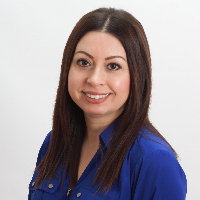
Virginia Ballantyne, LCSW
Therapist focused on practical skills and support
Online therapy - get matched and start messaging.
About Virginia
Her approach centers on Cognitive Behavioral Therapy (CBT) alongside client-centered and dialectical methods. She uses these tools to help clients notice unhelpful thoughts, try small behavioral changes, and build skills for managing intense emotions. Sessions are practical and aimed at clear goals the person wants to reach.
Virginia emphasizes strengths and collaboration. She listens for the client’s priorities and works alongside them to develop new strategies. She also uses motivational interviewing and narrative ideas to help people find reasons to change and to reframe painful stories from their past.
She has significant experience in nonprofit and county systems, and she brings that background to work with people affected by intimate partner violence, family substance use, and other disadvantages. She is LGBTQ+ affirming and provides a sex-positive environment for discussing sexual identity and desires.
Sessions are offered by video, phone, live chat, or text-based messaging. People who live in California can use those formats to connect, share concerns, and practice new skills between meetings.
How her approaches translate to online care
Virginia often blends Cognitive Behavioral Therapy and Client-Centered Therapy in online sessions. CBT helps people spot patterns of thinking that make stress and anxiety worse and tests small behavior changes to see what helps. Client-Centered Therapy focuses on listening closely and reflecting back what the person says so they can clarify values and goals.She also draws on Dialectical Behavior Therapy for emotional regulation when feelings become overwhelming. DBT offers concrete skills for managing intense emotions and improving communication, which can be useful for relationship or trauma-related work. These approaches are used together to match a person's needs rather than following a single fixed plan.
Finding the right mix is collaborative. The therapist will discuss goals, try approaches, and adjust as needed based on progress and preference. Clients can expect shared decision making about which techniques to use and how quickly to move between skill work and deeper conversation.
Online formats include video calls, phone sessions, live chat, and text-based messaging. Video is good for face-to-face interaction and skill demonstration. Phone sessions work when bandwidth or camera use is limited. Live chat or text messaging can be used for brief check-ins, homework follow-up, or when typing feels easier than talking. These options make it simpler to fit therapy into a busy schedule and keep momentum between appointments.
Frequently asked questions
What concerns does Virginia commonly address?
She helps people facing relationship difficulties, trauma and abuse, anxiety, depression, addictions, grief, parenting stress, and major life changes.
How would you describe her therapeutic style?
Her style is collaborative and nonjudgmental. She combines client-centered listening with CBT and DBT techniques to build practical skills.
What experience does she bring?
She has 12 years of clinical experience and background working in nonprofit and county services with disadvantaged populations.
What are her credentials and where is she based?
She is a Licensed Clinical Social Worker, LCSW, practicing in California.
Which languages are supported for sessions?
Sessions are offered in English.
What session formats are available?
Sessions can take place via video calls, phone sessions, live chat, or text-based messaging.
How is cost handled for sessions?
Cost varies with location and therapist availability; sessions use a subscription that can be canceled at any time.
How do I begin working with her?
Select the Start Therapy button, complete a short matching questionnaire, and schedule sessions according to therapist availability.
Areas of expertise
Primary focus
Also works with
Additional focus areas
Therapeutic approaches
Experience
12+ years
Licensed
California
Languages
English
License and registration
- LCSW, California
- 98267
- NPI (National Provider Identifier)
- 1932509064
As listed on the therapist's professional profile. You can check a license with the state licensing board and an NPI in the national registry.
Ready to work with Virginia?
Begin with a short quiz to get matched and start messaging.
Start with Virginia →