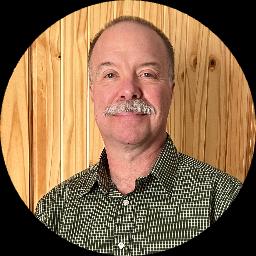
LPC, LMHC
Scott Wetherhold, LPC, LMHC
Practical support for stress and trauma
Online therapy - get matched and start messaging.
About Scott
He uses approaches like cognitive behavioral therapy to spot unhelpful thoughts and change patterns. He also draws on acceptance and commitment ideas to help people live by their values. Sessions are conversational and goal-focused rather than long lectures or tests.
Scott has five years of experience and practices from Georgia. He helps people processing trauma and abuse, dealing with panic or post-traumatic stress, and managing addictions or compassion fatigue. He also supports those struggling with self-esteem, relationship and communication problems, caregiver stress, and career or midlife concerns.
Many sessions include practical tools such as breathing and grounding for panic, thought records for anxiety and depression, and step-by-step plans for coping with life transitions. When appropriate, he also uses EMDR-informed methods to work with distressing memories.
Scott describes his work as collaborative. He pays attention to spiritual perspectives when clients raise them and keeps conversations focused on what will help in daily life. International clients and English speakers can connect through online formats when needed.
How CBT, ACT, and Client-Centered Work Online
Scott commonly uses cognitive behavioral therapy to help people identify and change thoughts and behaviors that keep problems going; in online sessions this means practicing thought records, experiments, and activity scheduling together. Acceptance and Commitment Therapy focuses on noticing painful thoughts while committing to values-based action, which can be practiced through short exercises and value-mapping during calls or messages.Client-centered work emphasizes listening and empathic reflection so the person sets the pace and topics. That approach is easy to carry into video or phone sessions because it centers on what the person wants to talk about and what feels most useful in their life.
Finding the right mix of approaches is part of the work. The therapist will collaborate with each person to decide whether CBT, ACT, client-centered methods, or a combination fits best given goals and preferences. That choice can shift as progress is made and needs change.
Online formats include video calls, phone sessions, live chat, and text-based messaging. Video is useful for deeper conversations and visual cues, while phone calls can fit shorter check-ins or lower bandwidth. Live chat and messaging are helpful for quick coaching, between-session support, or people who prefer typing. These options make it easier to schedule appointments and keep momentum between sessions.
Frequently asked questions
What concerns does Scott commonly help with?
He helps people with stress, anxiety, depression, trauma and abuse, grief, anger, addictions, and coping with life changes among other concerns.
What is his general therapy style?
Sessions are collaborative and conversational, using practical tools to change unhelpful thoughts and behaviors and to build clearer goals for daily life.
What background and experience does he have?
Scott has five years of clinical experience working with a range of challenges, including panic attacks, post-traumatic stress, and compassion fatigue.
Which credentials and location are listed for Scott?
He holds LPC and LMHC credentials and practices from Georgia.
In what languages can sessions be held and are international clients possible?
Sessions are offered in English and international clients are accepted.
What session formats does he offer?
Scott provides video calls, phone sessions, live chat, and text-based messaging to match different needs and schedules.
How are session costs handled?
Cost varies with location and therapist availability and sessions use a subscription that can be canceled at any time.
How do I begin working with him?
Start by selecting the Start Therapy button, completing a short matching questionnaire, and then schedule according to therapist availability.
Areas of expertise
Also works with
Additional focus areas
Therapeutic approaches
Experience
5+ years
Licensed
Florida, Georgia, Colorado, Virginia
Languages
English
License and registration
- LMHC, Florida
- MH19456
- LPC, Georgia
- LPC015916
- LPC, Colorado
- LPC.0022857
- LPC, Virginia
- 0701015480
- NPI (National Provider Identifier)
- 1578134565
As listed on the therapist's professional profile. You can check a license with the state licensing board and an NPI in the national registry.
Ready to work with Scott?
Begin with a short quiz to get matched and start messaging.
Start with Scott →