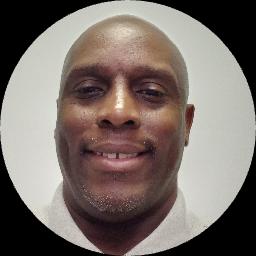
LPC, LCMHC
Rochester Damon, LPC, LCMHC
Practical strategies for stress and trauma recovery
Online therapy - get matched and start messaging.
About Rochester
He uses Cognitive Behavioral Therapy in sessions to help people notice how thoughts, feelings, and actions link together. He also draws on Dialectical Behavior Therapy and mindfulness techniques to teach skills for emotional regulation and staying present. Motivational Interviewing and trauma-focused methods are other parts of his approach for people dealing with painful experiences.
Sessions aim to be straightforward and collaborative. Rochester helps people set clear goals and breaks larger problems into manageable steps. He encourages skills practice so small changes add up over time.
Rochester works to create an open space where people can share thoughts and feelings without judgment. He frames progress as a series of practical moves rather than quick fixes. People are invited to try tools and see what fits for them.
He practices in North Carolina and offers a range of session formats to fit different schedules. Rochester explains options and helps match the therapeutic methods to each person's needs and preferences.
Evidence-based approaches delivered online
Rochester frequently uses Cognitive Behavioral Therapy to help people identify unhelpful thoughts and try new behaviors that reduce anxiety and low mood. CBT teaches concrete skills for changing patterns that make stress and depression worse.He also integrates Dialectical Behavior Therapy skills and mindfulness practice to manage strong emotions and improve attention to the present moment. DBT skills include emotion regulation and distress tolerance while mindfulness helps slow down reactivity after trauma or anger flare-ups.
Finding the right approach is part of the work. Rochester will discuss goals and preferences and then try strategies together to see what fits. This is a collaborative process where methods can be adjusted as needs change.
Online sessions are offered by video calls, phone sessions, live chat, or text-based messaging to make therapy more flexible. Video is useful for fuller conversation and skill teaching, phone can fit a busy day or low bandwidth, and text or chat work well for short check-ins or skill reminders. These options help people fit therapy into work, family, and daily life while practicing techniques between sessions.
Frequently asked questions
What kinds of problems does Rochester help with?
He works with stress, anxiety, trauma and abuse, parenting issues, anger, and depression.
What is his therapeutic style?
He uses Cognitive Behavioral Therapy with DBT and mindfulness tools, focusing on practical skills and goal setting.
How much clinical experience does he have?
He has seven years of professional counseling experience.
What credentials and location are on file?
He holds LPC and LCMHC credentials and practices in North Carolina.
Which languages are supported and can he work internationally?
Sessions are offered in English and he is not currently accepting international clients.
In what formats are sessions offered?
Sessions can be conducted by video calls, phone sessions, live chat, or text-based messaging.
How are costs handled for sessions?
Cost varies with location and therapist availability; sessions use a subscription that can be canceled at any time.
What are the first steps to begin therapy?
Select the Start Therapy button, complete a short matching questionnaire, and schedule according to therapist availability.
Areas of expertise
Primary focus
Therapeutic approaches
Experience
7+ years
Licensed
North Carolina, Texas
Languages
English
License and registration
- LCMHC, North Carolina
- 14107
- LPC, Texas
- 97094
- NPI (National Provider Identifier)
- 1659859882
As listed on the therapist's professional profile. You can check a license with the state licensing board and an NPI in the national registry.
Ready to work with Rochester?
Begin with a short quiz to get matched and start messaging.
Start with Rochester →