LCMHC
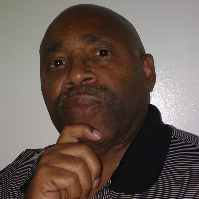
Richard McDonald, LCMHC
Practical strategies for stress and mood concerns
Online therapy - get matched and start messaging.
About Richard
Richard draws on Cognitive Behavioral Therapy, Acceptance and Commitment Therapy, Dialectical Behavior Therapy, Client-Centered Therapy, and mindfulness approaches. Sessions tend to focus on clear problems, goal-setting, and skills you can use between meetings. He aims to make sessions direct and useful, with concrete strategies for coping and change.
With five years of counseling experience and a background that includes work in human services, he brings both clinical tools and real-world perspective. He adapts pace and techniques to suit what a person needs right now. That might mean practicing new thinking patterns, learning emotion regulation skills, or using values to guide decisions.
People meet him for single-issue support or ongoing work through complex concerns like post-traumatic stress, mood disorders, substance use, parenting strain, or relationship stress. He helps people sort priorities, identify workable steps, and track progress over time.
Richard offers sessions by video call, phone, live chat, or text messaging. Fees vary with location and a subscription model is used that can be canceled at any time. To begin, select the Start Therapy button, complete the short matching questionnaire, and schedule a session based on availability.
Approaches and online care that focus on skills
Richard commonly uses Cognitive Behavioral Therapy and Acceptance and Commitment Therapy in online sessions. CBT looks at how thoughts, feelings, and actions connect and teaches practical tools to change unhelpful thinking and behavior. ACT emphasizes values and committed action, helping people move toward what matters despite difficult feelings.He also uses Client-Centered Therapy, which focuses on listening, building rapport, and shaping sessions around the person's own goals and pace. Together these methods provide both structured skills work and space to process feelings, so the approach is chosen with the person rather than imposed.
Finding the right fit is part of the work. The therapist will talk with each person about goals and preferences, then try methods that match those needs. That collaborative process helps decide whether CBT, ACT, or a more client-centered style will be most helpful.
Online sessions are offered by video call, phone, live chat, or text messaging to make therapy more flexible. Video calls allow face-to-face conversation for skills practice, phone sessions work well when bandwidth is limited, live chat suits shorter check-ins, and text messaging supports ongoing reminders or brief updates between sessions. These options let people fit counseling into busy schedules and choose the format that feels most practical.
Frequently asked questions
What concerns does Richard help with?
He supports people dealing with stress, anxiety, depression, addiction, anger, self-esteem, trauma and grief, plus parenting and life changes.
What is his style of therapy?
He uses a practical, skills-based approach that emphasizes goal setting and exercises to practice between sessions.
What is his background and experience?
He has five years of counseling experience and earlier work in human services, combining clinical methods with real-world perspective.
What credentials and location are listed?
He holds the LCMHC credential and practices in North Carolina.
Which languages are supported?
Sessions are offered in English.
What session formats are available?
He offers video calls, phone sessions, live chat, and text-based messaging.
How does cost and billing work?
Cost varies by location and therapist availability; sessions use a subscription that can be canceled at any time.
How do I get started?
Click the Start Therapy button, complete a short matching questionnaire, and schedule a session based on therapist availability.
Areas of expertise
Primary focus
Also works with
Additional focus areas
Therapeutic approaches
Experience
5+ years
Licensed
North Carolina
Languages
English
License and registration
- LCMHC, North Carolina
- 14159
- NPI (National Provider Identifier)
- 1679072805
As listed on the therapist's professional profile. You can check a license with the state licensing board and an NPI in the national registry.
Ready to work with Richard?
Begin with a short quiz to get matched and start messaging.
Start with Richard →