LPC
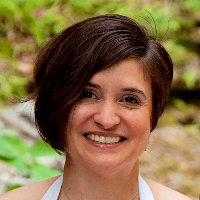
Rachel Wilson-Snyder, LPC
Calm, practical counseling for life transitions
Online therapy - get matched and start messaging.
About Rachel
How Rachel’s approaches translate to online therapy
Rachel commonly uses cognitive behavioral therapy, which focuses on identifying unhelpful thoughts and testing new behaviors to reduce anxiety and depression. CBT sessions typically include practical exercises, thought records, and step-by-step plans that translate well to an online format. She also draws on attachment-based ideas to look at how early relationships shape current patterns. That work helps people understand intimacy concerns, abandonment or codependency issues, and family of origin patterns through reflective conversation and targeted exercises. Finding the right approach is a collaborative process. The therapist will listen to your needs and goals, discuss which methods might fit best, and adjust the plan as you go. Clients often try a blend of approaches and refine what works over time. Online therapy offers flexible ways to meet. Video calls are useful for full sessions and face-to-face conversation. Phone sessions can be a good option when bandwidth is limited or a simpler check-in is needed. Live chat and text messaging support brief check-ins, skill practice, and ongoing coaching between sessions, which can help people stay on track with behavioral tasks and routines.Frequently asked questions
What concerns does she commonly address?
She works with stress, anxiety, depression, grief, trauma and abuse, and mood concerns such as bipolar disorder. Relationship issues, parenting challenges, self-esteem, and career transitions are also included.
What is her general therapeutic style?
Her style is warm, empowering, and collaborative. She combines cognitive behavioral techniques with client-centered and motivational interviewing approaches to set clear goals and practical steps.
How long has she practiced counseling?
She has 23 years of counseling experience across a variety of professional settings and a diverse range of clinical concerns.
What are her credentials and where is she based?
She holds the Licensed Professional Counselor credential (LPC) and practices in Pennsylvania.
Can I work with her in languages other than English?
Sessions are offered in English.
What formats are available for sessions?
Sessions can be conducted via video calls, phone sessions, live chat, or text-based messaging.
How are sessions paid for?
Cost varies with location and therapist availability; sessions use a subscription model that can be canceled at any time.
How do I begin working with Rachel?
Begin by selecting the Start Therapy button, completing a short matching questionnaire, and scheduling according to therapist availability.
Areas of expertise
Primary focus
Also works with
Additional focus areas
Therapeutic approaches
Experience
23+ years
Licensed
Pennsylvania
Languages
English
License and registration
- LPC, Pennsylvania
- PC010396
- NPI (National Provider Identifier)
- 1487296729
As listed on the therapist's professional profile. You can check a license with the state licensing board and an NPI in the national registry.
Ready to work with Rachel?
Begin with a short quiz to get matched and start messaging.
Start with Rachel →