LCMHC
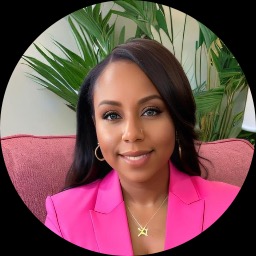
Pamela Clarke, LCMHC
Practical support for stress and relationships
Online therapy - get matched and start messaging.
About Pamela
She approaches work in a way that centers the person's experience. Pamela listens first, then helps identify concrete goals and small habits that build toward those goals. Sessions focus on clear tools and real-life practice rather than long theory talks.
Pamela uses methods drawn from cognitive behavioral therapy, client-centered work, dialectical behavior therapy, motivational interviewing, and solution-focused approaches. She mixes techniques to fit what each person needs, for example pairing skill practice with conversations that boost motivation.
People can expect a collaborative tone in sessions. Pamela asks questions, reflects what she hears, and offers exercises to try between meetings. The aim is to reduce distress and increase skills for managing feelings, thoughts, and difficult interactions.
Her approach suits those who want practical strategies along with encouragement. Pamela frames progress as steady steps and supports people as they test new ways of coping and communicating.
Therapeutic tools that translate to online care
CBT, or cognitive behavioral therapy, focuses on identifying unhelpful thoughts and testing them with small behavior changes. It is useful for anxiety, panic attacks, low self-esteem, and stress by giving clear exercises to try between sessions.Client-centered therapy emphasizes listening and empathy so the person feels understood. That approach helps people clarify their own goals and build confidence in their choices. Dialectical behavior therapy, or DBT, adds skills for managing intense emotions and improving communication during conflict.
Finding the right approach is part of the work. The therapist will talk with each person about goals and preferences, then try methods that fit those needs. That collaborative process allows adjustments over time if something is not working as hoped.
Online work offers flexible ways to connect. Video calls allow face-to-face conversation and guided exercises. Phone sessions work well when bandwidth is limited or when someone prefers not to use video. Live chat or text-based messaging can fit brief check-ins, skill coaching between sessions, or people who prefer typing. These options make it easier to schedule therapy around work, family, or travel while keeping the focus on skills and progress.
Frequently asked questions
What concerns does Pamela help with?
She helps people with stress, anxiety, relationship and family issues, anger, and low self-esteem. Additional focuses include communication problems, control issues, forgiveness, life purpose, panic attacks, and self-love.
What is her therapy style like?
Her style is collaborative and practical. Sessions emphasize listening, goal setting, and small skills to practice between meetings.
How much clinical experience does she have?
Pamela has four years of professional work experience as a clinician. That experience has included supporting people with anxiety, stress, and relationship concerns.
What credentials and location are listed?
She holds the LCMHC credential and is licensed in North Carolina.
Are sessions offered in other languages or to international clients?
Sessions are offered in English. She does accept international clients.
Which session formats are available?
Work can take place via video calls, phone sessions, live chat, or text-based messaging depending on preference.
How are costs handled?
Cost varies with location and therapist availability and uses a subscription model that can be canceled at any time.
How do I begin working with her?
Start by selecting the Start Therapy button, complete a short matching questionnaire, and then schedule sessions according to the therapist's availability.
Areas of expertise
Primary focus
Additional focus areas
Therapeutic approaches
Experience
4+ years
Licensed
North Carolina
Languages
English
License and registration
- LCMHC, North Carolina
- 16877
- NPI (National Provider Identifier)
- 1407430424
As listed on the therapist's professional profile. You can check a license with the state licensing board and an NPI in the national registry.
Ready to work with Pamela?
Begin with a short quiz to get matched and start messaging.
Start with Pamela →