LPC
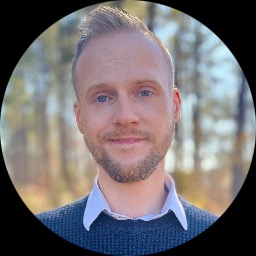
Curtis Graham, LPC
Calm, practical help for life and relationships
Online therapy - get matched and start messaging.
About Curtis
He works with adults who are navigating breakups, challenging family relationships, or addiction-related problems. He also supports people facing trauma from childhood abuse, discrimination, or religious pressure. Curtis uses conversation, practical tools, and steady listening to make space for what matters to each person.
Curtis often draws on cognitive behavioral ideas to identify unhelpful thinking patterns and try small behavior changes. He pairs that with attachment-focused work to look at how early relationships shape current connection and trust. Client-centered principles shape how he collaborates with people, keeping their goals at the center of care.
In sessions he aims for clear goals, honest feedback, and a bit of lightness when appropriate. People can expect straightforward guidance, reflective questions, and strategies they can try between meetings. Curtis focuses on building a trusting working relationship before moving into deeper material.
He practices in South Carolina and conducts sessions in English. Curtis supports a broad range of concerns including mood differences, intimacy-related issues, gender dysphoria, career questions, and compassion fatigue. If his way of working feels like a fit, clients are invited to begin with a short matching process to get started.
How Curtis's approaches translate to online therapy
Curtis commonly uses cognitive behavioral ideas and attachment-focused work in his online practice. Cognitive behavioral therapy (CBT) helps people notice patterns of thinking that can lead to anxiety or low mood and then try concrete behavior changes or experiments to test new ways of responding. Attachment-based therapy looks at how early relationship experiences shape current ways of connecting and helps people practice new, healthier interaction patterns.Finding the right mix of approaches is part of the work. Curtis collaborates with each person to match methods to their needs, goals, and preferences. He will discuss what feels most useful and adjust the plan as therapy progresses so the work stays practical and relevant.
Online formats include video calls, phone sessions, live chat, and text-based messaging, which makes it easier to fit sessions into a busy life. Video is useful for deeper conversations and visual cues, phone can be simpler when bandwidth is limited, live chat suits shorter check-ins, and messaging supports ongoing reflection between sessions. These options give flexibility for different schedules and communication styles.
Frequently asked questions
What concerns does Curtis commonly help with?
Curtis helps people with stress, anxiety, depression, relationship problems, trauma and abuse, addiction-related concerns, self-esteem, and issues around intimacy and life transitions.
How would you describe his therapy style?
He takes a straightforward, collaborative approach that blends active listening with practical tools. Sessions include goal-setting, reflective questions, and small experiments to try between meetings.
What is Curtis's professional background?
He has three years of clinical experience working with adults and holds the LPC credential, which stands for Licensed Professional Counselor.
Where does Curtis practice and what is his licence?
He practices in South Carolina and holds an SC LPC licence as listed in his profile.
Which languages are sessions offered in?
Sessions are offered in English.
What session formats are available?
Sessions can be conducted by video calls, phone sessions, live chat, or text-based messaging.
How is cost handled for sessions?
Cost varies with location and therapist availability; sessions use a subscription that can be canceled at any time.
How do I begin working with Curtis?
To get started, select the Start Therapy button, complete a short matching questionnaire, and schedule sessions according to the therapist's availability.
Areas of expertise
Primary focus
Also works with
Additional focus areas
Therapeutic approaches
Experience
3+ years
Licensed
South Carolina
Languages
English
License and registration
- LPC, South Carolina
- 10587
- NPI (National Provider Identifier)
- 1912602038
As listed on the therapist's professional profile. You can check a license with the state licensing board and an NPI in the national registry.
Ready to work with Curtis?
Begin with a short quiz to get matched and start messaging.
Start with Curtis →